Sunken City Of Baia Snorkeling
Visitor Guide

Sunken City of Baia Tour

The Sunken City of Baia lies three to five meters below the surface of the Bay of Naples, accessible only by snorkel or dive. This guide covers the practical steps—operating hours, dive-center coordination, entry permits, and the morning light windows that transform submerged mosaics into legible archaeological evidence.

7 min read Updated 2026-09-18 Fact-checked
Sunken City of Baia Tour

Quick answer

A sunken city of baia tour operates Tuesday through Sunday from 08:30 to 17:30, with a 5 EUR entry royalty charged per diving excursion. The site is closed on Mondays. Optimal underwater visibility occurs during morning arrivals between 08:30 and 16:00, when calm sea conditions and angled sunlight reveal mosaic floors, villa walls, and statuary fragments scattered across the submerged archaeological park.

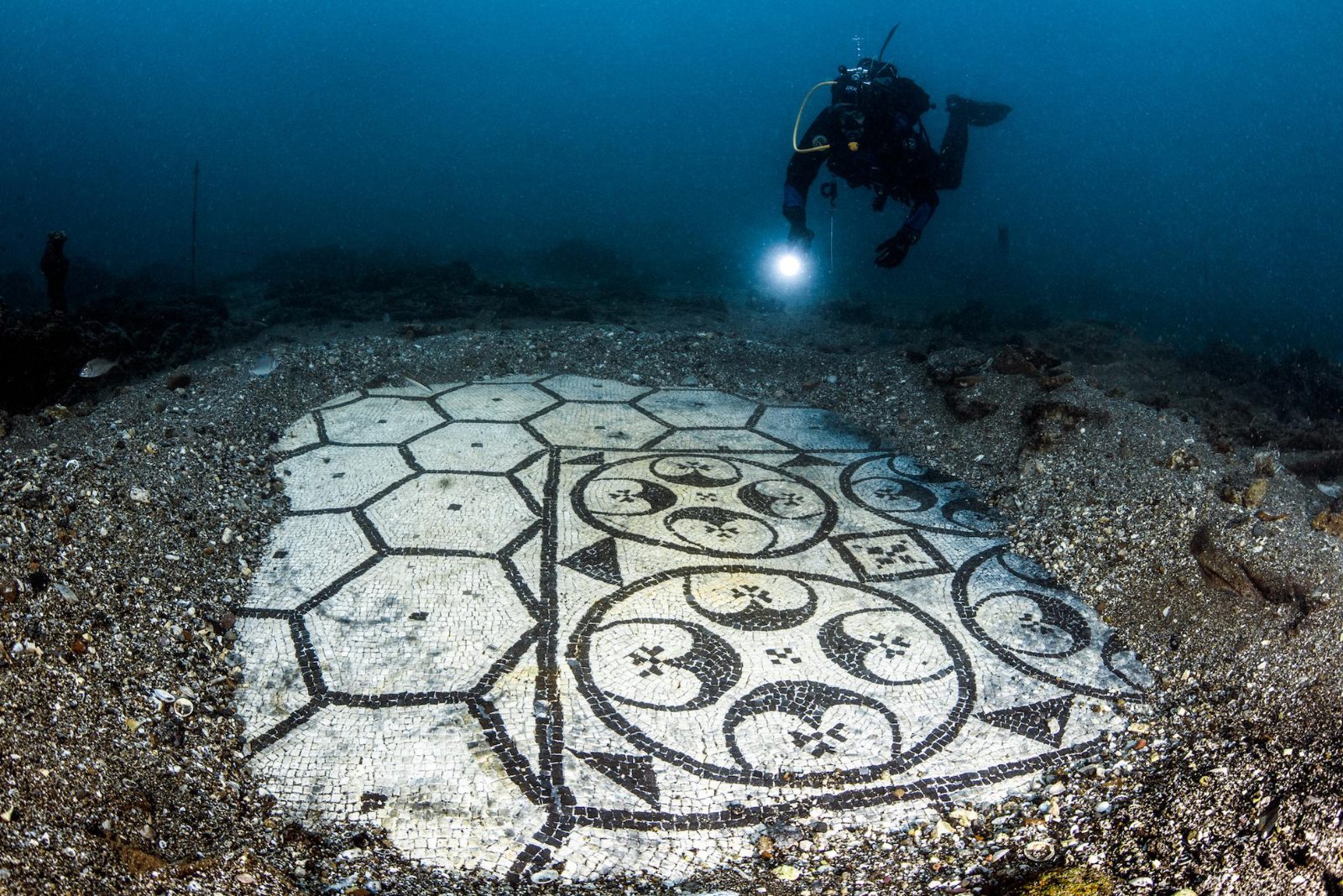
Baia sank in stages between the third and sixteenth centuries as bradyseismic subsidence—slow vertical shifts in the volcanic Phlegraean Fields—pulled imperial villas, bath complexes, and harbor installations beneath the Tyrrhenian Sea. Today the submerged quarter forms Europe's largest underwater archaeological park, administered by the Parco Archeologico dei Campi Flegrei and patrolled by Carabinieri divers. A sunken city of baia tour requires coordination with a licensed dive center, which handles buoyancy briefings, equipment rental, and the site-entry permit filed with park authorities at Via Lucullo 94 in Bacoli. The 5 EUR royalty covers one dive and supports conservation monitoring; repeat dives on the same day require separate permits. Most operators launch from Porto di Baia or the adjacent Aragonese castle jetty, reaching the nymphaeum and villa sectors within five minutes by inflatable. Underwater visibility ranges from six to fifteen meters depending on wind, plankton bloom, and the previous night's storm fetch. Morning departures benefit from lower afternoon thermal currents that stir sediment, and the sun angle between 09:00 and 12:00 penetrates the water column at the slant that best illuminates horizontal mosaic surfaces. Divers descend along mooring lines anchored to numbered buoys corresponding to excavated sectors: the Villa dei Pisoni mosaic pavement, the porticoed nymphaeum attributed to Emperor Claudius, and the marble colonnades that once framed thermal pools fed by sulfurous springs still venting from the seabed. The archaeological park enforces strict no-touch protocols; fragile stucco and leadwork survive only because silt and low oxygen slow microbial decay. Guides trained by the Soprintendenza carry laminated site maps keyed to the original terrestrial cadastre, overlaying modern GPS tracks onto eighteenth-century engravings that documented the villas before they slipped below the tideline. The result is a guided exploration of Roman luxury infrastructure frozen mid-collapse, where you read the architecture not from reconstructed diagrams but from the stones themselves, barnacled and rearranged by two millennia of wave action.

“Baia sank in stages as bradyseismic subsidence pulled imperial villas beneath the Tyrrhenian Sea, forming Europe's largest underwater archaeological park.”
Timing

Optimal Timing for a Sunken City of Baia Tour

The best arrival window is 08:30–16:00, as optimal light for underwater visibility and better sea conditions typically occur in the morning. Arriving early helps ensure clearer water for viewing the submerged ruins before daily wind patterns affect sea clarity.

Late Spring (May-June)

Moderate

Warm, 20-25°C

Ideal water temperatures and consistent, calm sea conditions facilitate clear visibility.

Early Autumn (Sept-Oct)

Low

Mild, 18-23°C

Reduced tourist volume allows for a more controlled experience with stable, temperate waters.

Weekday Mornings

Low

Early arrivals experience the calmest water surface and most favorable lighting for underwater exploration.

Verdict: For the highest quality experience, target weekday mornings during May or September, arriving at the 08:30 opening time.

Opening hours

Opening Hours for a Sunken City of Baia Tour

The Sunken City of Baia is open to visitors Tuesday through Sunday. The site remains closed every Monday.

Monday
Closed
Tuesday
08:30–17:30
Wednesday
08:30–17:30
Thursday
08:30–17:30
Friday
08:30–17:30
Saturday
08:30–17:30
Sunday
08:30–17:30
Visitors should plan their excursions within the established operating hours.
Directions

Getting There for Your Sunken City of Baia Tour

The Sunken City of Baia is located in Bacoli, accessible via the Phlegraean Fields transit network or by car from Naples. Reaching the site at Via Lucullo 94 is straightforward when using local regional rail or driving along the coastal roads.

Train 40 min

Cumana line from Montesanto (Naples) to Baia station

Car 30 min

Tangenziale di Napoli towards Pozzuoli, exit 14 (Pozzuoli/Arco Felice)

Taxi 45 min

Direct service from Naples City Center

If arriving by train, the Baia station is the closest stop to the archaeological site. Drivers should look for designated parking areas near Via Lucullo, as street parking is limited.

What to see

Key Submerged Sites on a Sunken City of Baia Tour

The Sunken City of Baia features several remarkably preserved Roman structures submerged due to bradyseism. Exploring these sites reveals the luxury and engineering of the ancient coastal resort.

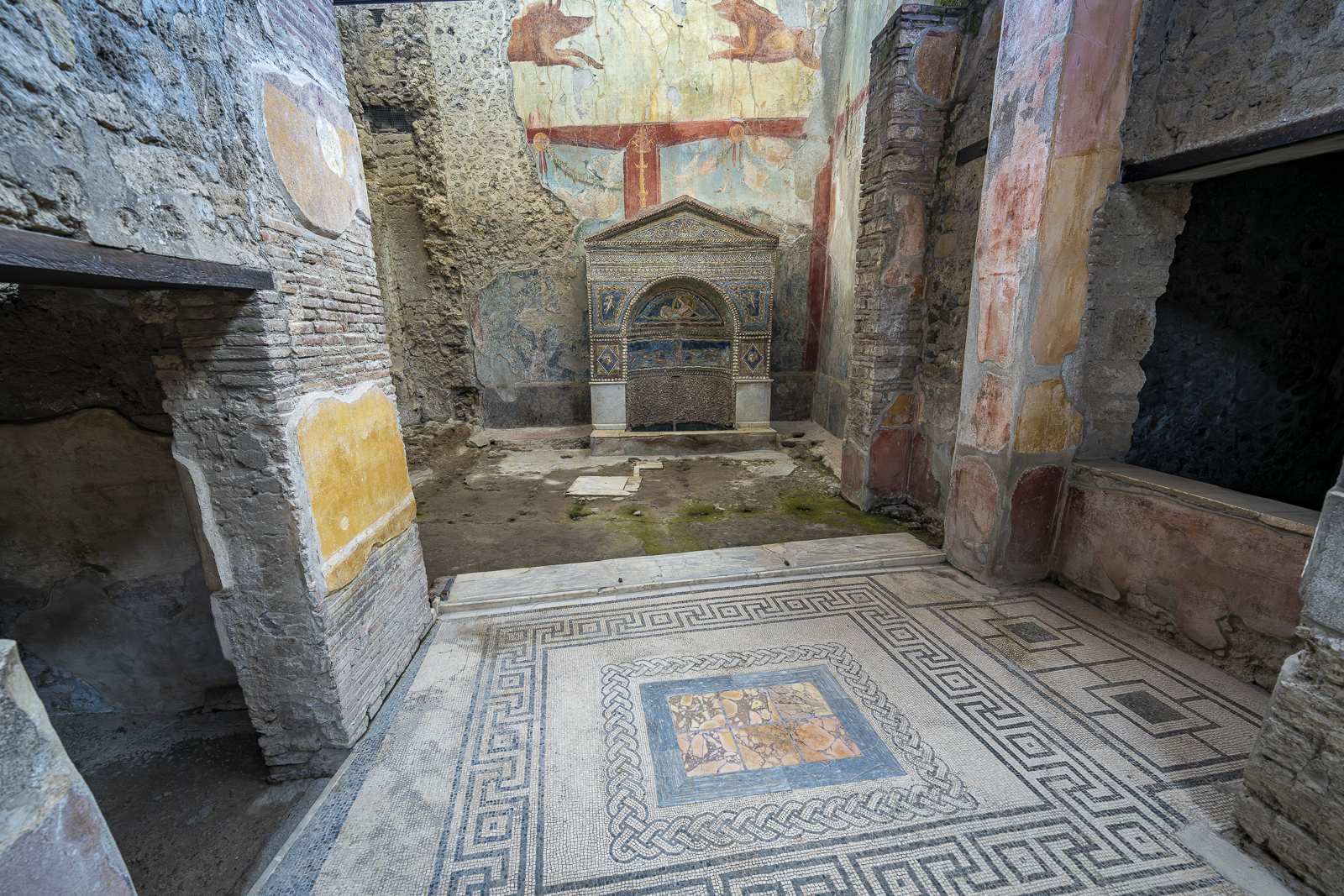
Nymphaeum of Punta Epitaffio

Nymphaeum of Punta Epitaffio

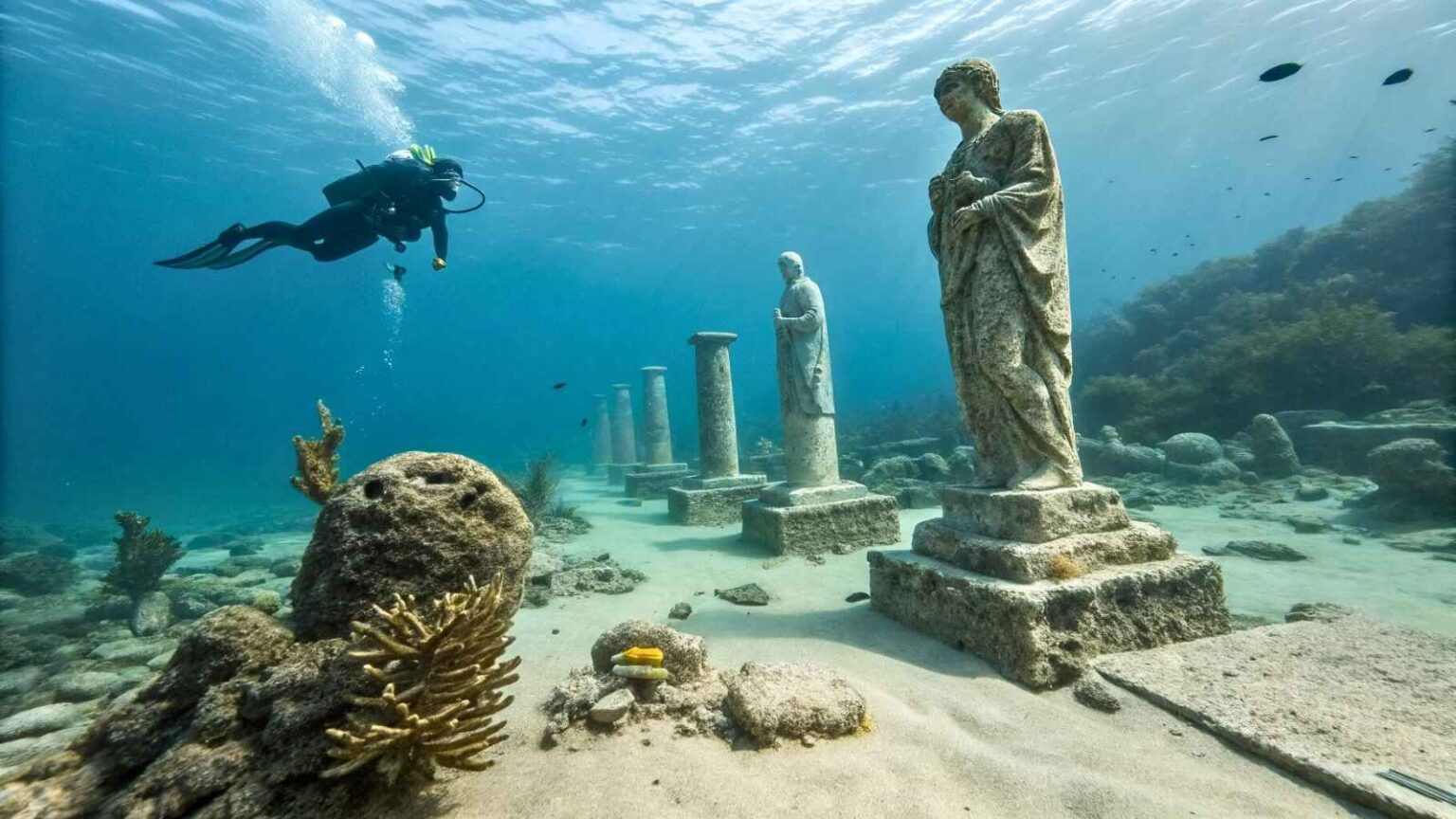
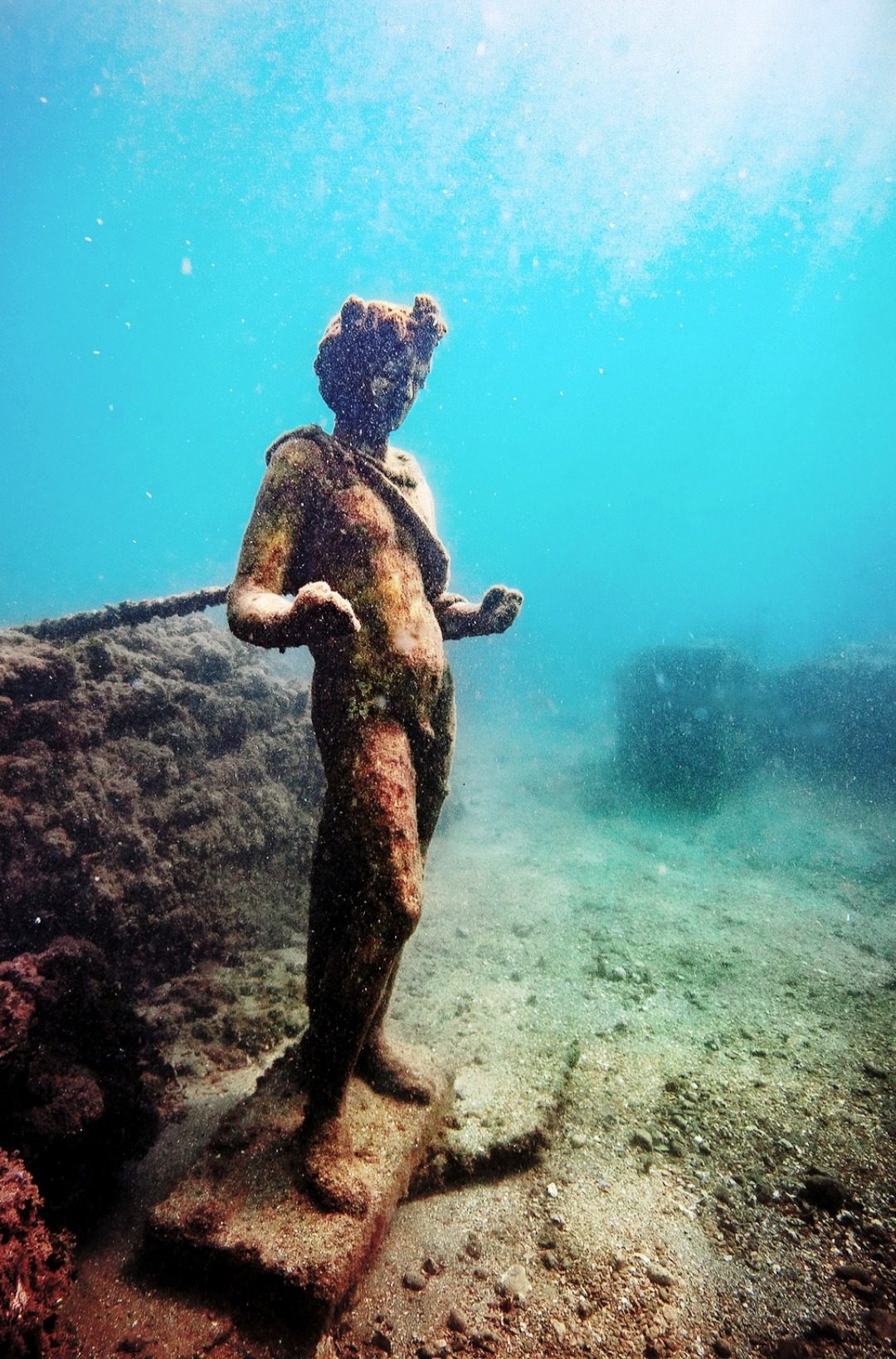
This triclinium features a replica of the original grotto decorated with statues of the emperor's family. The original marble sculptures are currently housed in the archaeological museum.

Look for the replica statues positioned within the reconstructed marine setting.
Pisonian Villa

Pisonian Villa

This massive residential complex reveals complex room layouts and private baths belonging to the influential Piso family. Visitors can observe the floor plans and mosaic remnants on the seafloor.

Bring a mask to view the intricate black and white mosaic patterns.

Villa of the Protiro

Villa of the Protiro

This site is known for its well-preserved opus sectile floors made of multicolored marble. The geometric patterns remain visible through the clear shallow waters.

Focus on the floor segments to identify the distinct marble shapes.

Portus Julius

Portus Julius

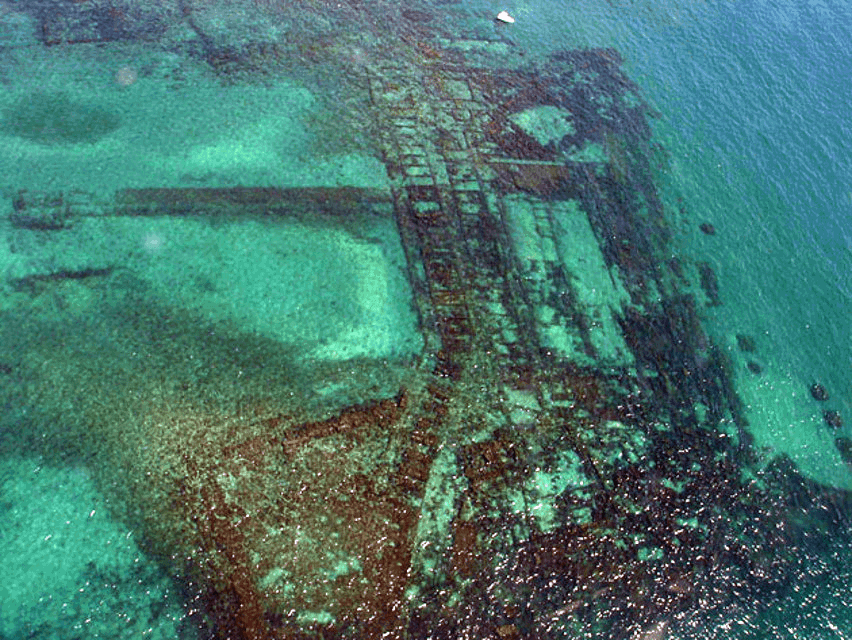
This area represents the remains of the commercial and military port constructed by Agrippa. Large stone blocks and harbor foundations define this expansive underwater zone.

Observe the alignment of the stone structures to trace the port.

Book

Check availability

Frequently asked

Frequently Asked Questions About Visiting Baia

Everything you need to know about sunken city of baia tour

Is a sunken city of baia tour suitable for beginners?

Many providers offer options for all experience levels, including snorkeling and diving trips to the underwater archaeological park. You do not need professional certification to participate in surface-level explorations of the sunken city of baia tour.

How much is the entry fee for the Parco Archeologico di Baia?

The entrance fee is 5 EUR as an entry royalty per diving excursion. This fee is mandatory for all visitors entering the protected archaeological area.

Can I book a guided sunken city of baia tour in advance?

It is highly recommended to secure your spot for a sunken city of baia tour through authorized operators before arriving. This ensures availability and provides you with necessary logistical information for your visit to the Parco Archeologico di Baia.

What is the best time for a sunken city of baia tour?

For the optimal sunken city of baia tour, plan your arrival between 08:30 and 16:00. Morning hours typically offer the best light for underwater visibility and calmer sea conditions.

Are children allowed on a sunken city of baia tour?

Yes, children are often welcome to join if they meet the specific requirements of the tour operator, particularly for surface snorkeling. Please confirm age restrictions directly with your chosen excursion provider before booking.

What should I bring for my visit to the submerged ruins?

Bring a swimsuit, towel, and sun protection for your day at the coast. The archaeological site is a protected maritime area, so ensure you have all necessary gear as specified by your guide.

Keep reading

More guides & pages