Sunken City Of Baia Snorkeling
Underwater Guide

Snorkeling Baia Italy

The Sunken City of Baia offers one of the Mediterranean's most unusual snorkeling experiences—swimming above ancient Roman villas, mosaics, and statuary submerged by volcanic subsidence centuries ago. This guide covers what you need to know before entering the water at the Parco Archeologico Sommerso.

7 min read Updated 2026-09-18 Fact-checked
Snorkeling Baia Italy

Quick answer

Snorkeling at the Sunken City of Baia takes place in a protected marine archaeological park where Roman ruins lie 3-5 meters below the surface. Access requires a 3 EUR conservation fee per person, paid in addition to tour operator costs, and the site opens daily from 08:30 to 17:30. Morning arrivals between 08:30 and 12:00 offer the best underwater visibility due to calmer seas and optimal light angles for viewing the submerged mosaics and structural remains.

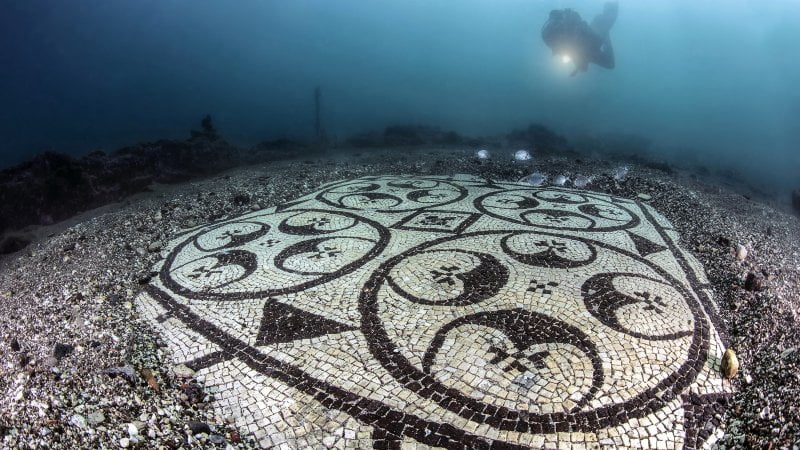
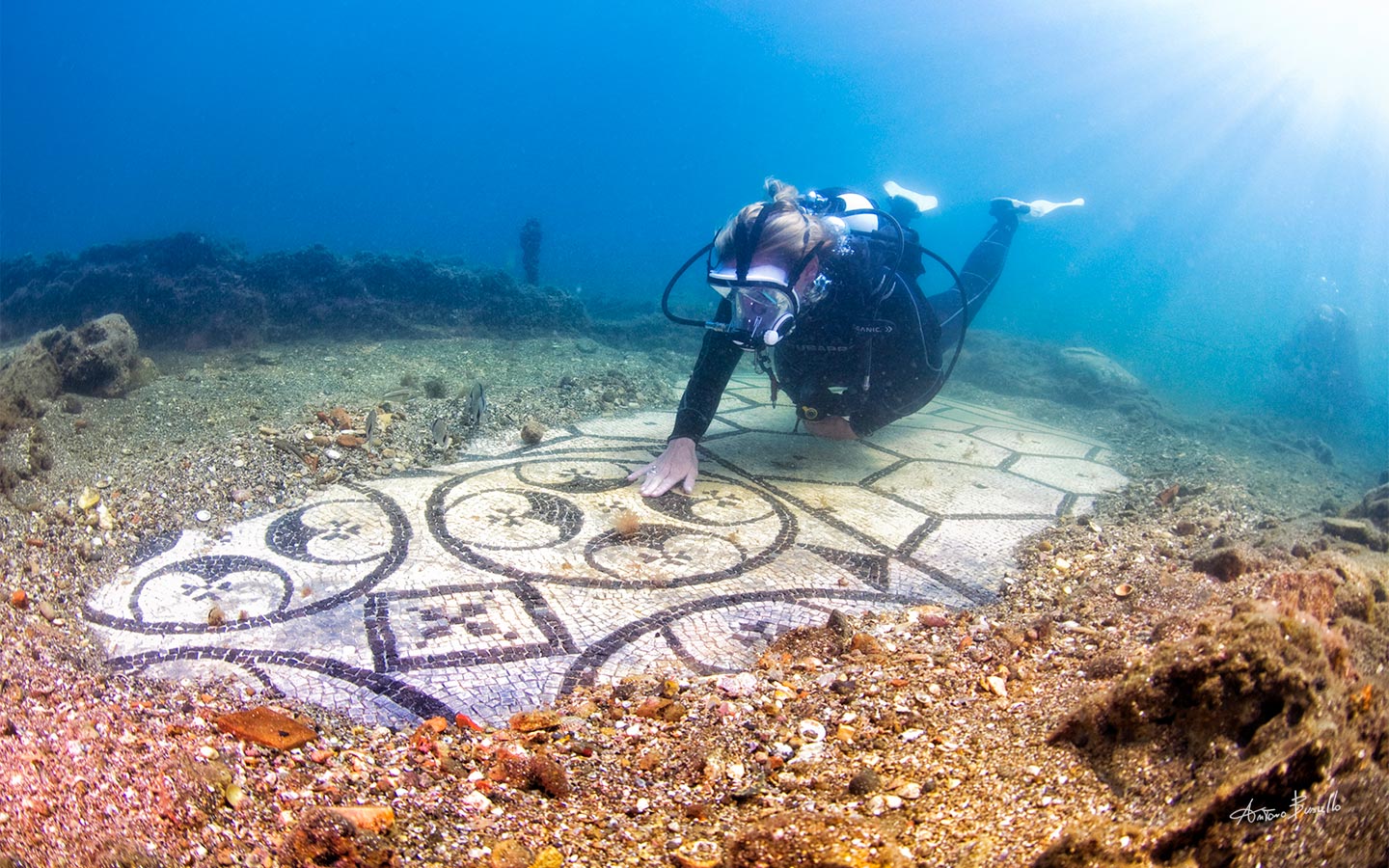
Bradyseism—slow vertical movement of the Earth's crust caused by volcanic activity—has lowered the coastline here by roughly six meters since antiquity, submerging what was once the most luxurious resort district of the Roman Empire. Today, the nymphaeum of Emperor Claudius, villa floor mosaics, and the remains of fish farms lie within easy reach of snorkelers equipped with mask and fins. The site operates as a marine protected area under the Parco Archeologico dei Campi Flegrei, meaning independent swimming is prohibited. Visitors join guided snorkeling excursions led by authorized operators who provide equipment and context for the underwater structures. The ruins are shallow enough that even beginners can observe details without diving certification, though surge and current conditions vary with weather and sea state. Guides brief participants on navigation routes and the archaeological significance of visible features before entry. Underwater visibility at Baia fluctuates with seasonal plankton blooms and weather patterns. Spring and early autumn generally deliver clearer water than midsummer, when algae growth reduces clarity. Afternoon winds common in the Gulf of Pozzuoli can stir sediment and degrade visibility, which is why morning slots consistently offer better conditions. The site's shallow depth means surface chop translates directly to underwater turbulence, so flat-calm days produce the sharpest views of column bases and mosaic fragments embedded in the seabed. Snorkeling baia italy requires no prior experience, but comfort in open water is essential—participants swim continuously for 60-90 minutes over the archaeological zone. The conservation fee supports ongoing documentation and preservation work, including photogrammetric mapping of submerged structures that continue to erode under marine exposure. Operators typically limit group sizes to maintain low-impact access, and the park enforces strict no-touch protocols to protect the fragile remains beneath the waves.

“Bradyseism submerged the most luxurious resort district of the Roman Empire, leaving villa mosaics and Imperial nymphaea within snorkeling depth.”
Timing

Optimal Timing for Snorkeling Baia Italy

The best arrival window is 08:30–12:00, which provides the calmest sea conditions and optimal light for viewing the submerged ruins. Visiting during these hours minimizes surface reflection and maximizes visibility beneath the water.

Spring (April–May)

Moderate crowds

Mild 18°C–22°C; stable conditions

Clear water and comfortable air temperatures support extended snorkeling sessions.

Summer (June–August)

Heavy crowds

Warm 25°C–30°C; calm seas

Higher boat traffic occurs, though water clarity remains favorable during early morning hours.

Autumn (September–October)

Light crowds

Mild 20°C–24°C; occasional wind

Cooler temperatures bring fewer visitors and often result in very still water surfaces.

Weekday mornings

Minimal crowds

Arriving at 08:30 ensures the best underwater visibility before daily sea breezes potentially disrupt the surface.

Verdict: The optimal time for snorkeling the Sunken City of Baia is weekday mornings in April, May, or October, arriving promptly at 08:30.

Opening hours

Opening Hours for Snorkeling Baia Italy

The Sunken City of Baia is open daily to facilitate visits to the archaeological park.

Monday
08:30–17:30
Tuesday
08:30–17:30
Wednesday
08:30–17:30
Thursday
08:30–17:30
Friday
08:30–17:30
Saturday
08:30–17:30
Sunday
08:30–17:30
Please plan your arrival within the designated operating hours to ensure sufficient time for your visit.
Directions

How to Reach Snorkeling Baia Italy

The Sunken City of Baia is located in Bacoli, near Pozzuoli. The most direct approach for visitors is to reach the archaeological site address at Via Miliscola 165, 80078 Pozzuoli (NA), Italy.

Train 45 min from Naples

Cumana line to Baia station

Car 30-40 min Varies

Tangenziale di Napoli towards Pozzuoli, exit 14 (Pozzuoli/Arco Felice)

Bus 50 min from Naples

EAV bus lines towards Bacoli/Baia

Plan your arrival for the window between 08:30 and 12:00 to secure the best light conditions and calmer seas for viewing the submerged ruins.

Checklist

Snorkeling Baia Italy Preparation Checklist

Access to the submerged archaeological park requires advance booking through licensed operators and proper snorkeling equipment.

What to see

Submerged Ruins to See When Snorkeling Baia Italy

The Underwater Park of Baia contains several distinct zones where volcanic activity and bradyseism have submerged ancient Roman structures. Snorkeling allows visitors to observe these mosaic floors and architectural remnants near the surface.

Piso's Villa

Piso's Villa

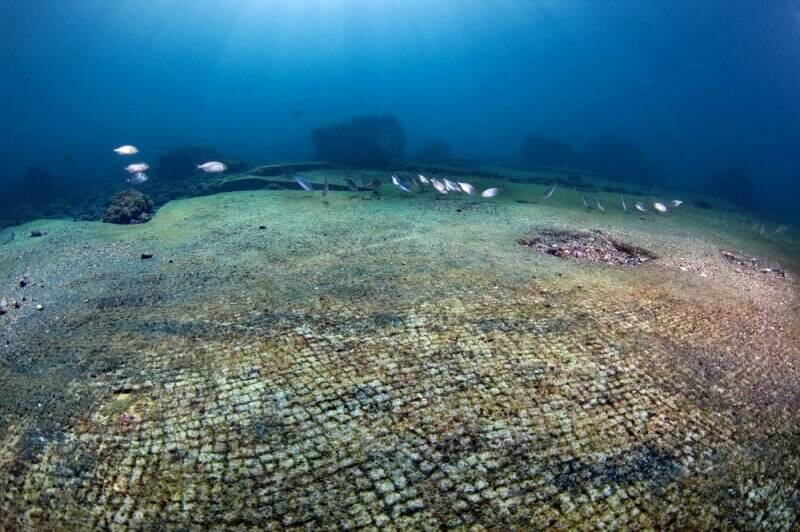
The remains of this expansive seaside residence feature clear outlines of rooms and rectangular pools visible beneath the water. Look for the traces of patterned flooring that once decorated the private living spaces.

Swim slowly over the grid to identify wall foundations.
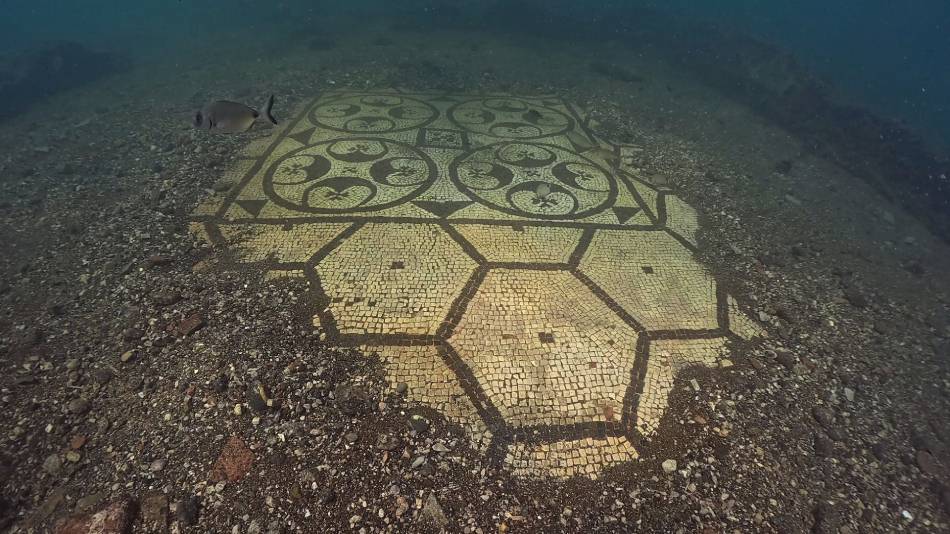
Protiro Nymphaeum

Protiro Nymphaeum

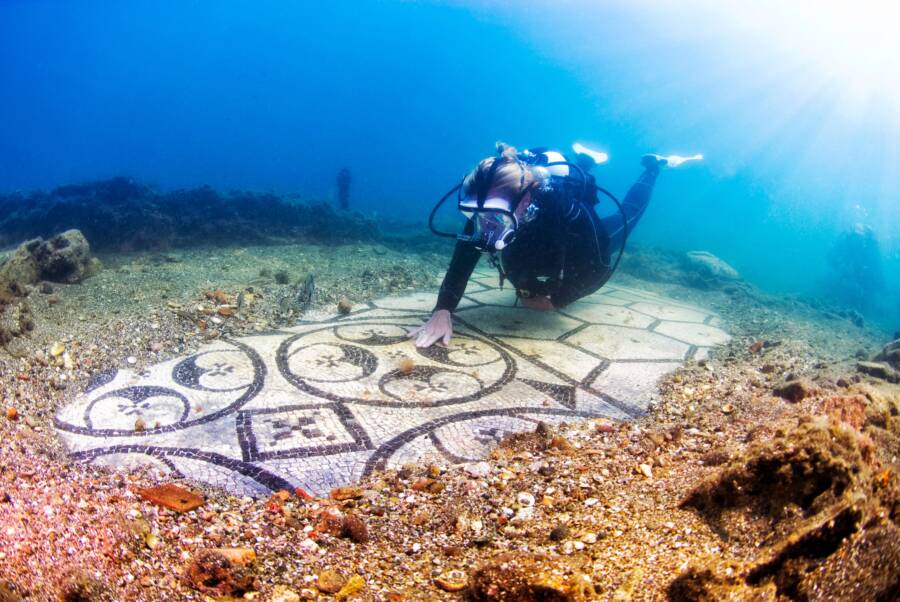
This area contains a well-preserved mosaic floor with geometric patterns located at a shallow depth. It serves as one of the most recognizable sites for snorkelers due to its structural clarity.

Focus on the central area where mosaic tiles remain intact.

Villa a Protiro

Villa a Protiro

This site showcases residential columns and remnants of brick walls belonging to a high-status Roman home. These structures provide a direct view into the domestic architecture of the ancient elite.

Position yourself above the columns to see the layout.

Maritime Villa

Maritime Villa

This zone encompasses various submerged porticos and walkways that connected the ancient villas to the sea. The layout illustrates how coastal infrastructure integrated with the natural coastline.

Keep your eyes on the seafloor to spot structural alignments.

Book

Check availability

Frequently asked

Frequently asked questions about snorkeling baia italy

Everything you need to know about snorkeling baia italy

Is snorkeling baia italy suitable for beginners?

Most guided tours for snorkeling baia italy are designed for all experience levels, providing necessary equipment and safety briefings. Participants typically use masks and fins to observe the mosaic floors and architectural remnants from the surface.

What should I expect from a Baia underwater archaeological park tour?

Visitors on a Baia underwater archaeological park tour navigate over remnants of ancient Roman villas, thermal baths, and harbor structures. The shallow nature of these ruins makes them visible from the surface through the clear Mediterranean waters.

How much is the conservation fee for the sunken city?

All visitors must pay a 3 EUR conservation fee per person, which is separate from any costs charged by your tour operator. This contribution supports the preservation of this unique underwater archaeological heritage.

Is there a best time to visit the submerged ruins?

The best arrival window for snorkeling baia italy is between 08:30 and 12:00. Arriving during this period ensures the calmest sea conditions and optimal lighting for viewing the submerged streets and statues.

Can I book a private diving excursion for snorkeling baia italy?

Local operators facilitate various aquatic excursions to the submerged city, though you should verify their credentials through the official site. These tours often coordinate group entry to ensure compliance with protected marine area regulations.

Are there age restrictions for underwater exploration?

While the experience is accessible to many, participants should feel comfortable swimming in open water environments. Always consult with your chosen tour operator regarding their specific safety policies and recommendations for younger guests.

Keep reading

More guides & pages